There have been revolutionary changes in security technology within the last ten years. From the business sector to residential sectors, security agencies and industries, people are adopting smart technologies that deliver promptness, accuracy, and reliability for effective operations. Of all the available technologies, facial recognition is perhaps one of the most commonly talked about technologies in modern day security.
In various sectors such as airports, government organisations, private companies and residential areas, face recognition solutions have become very common and are employed as part of security measures and identification procedures. Although these security systems hold great potential and provide a lot of options, there are certain practical challenges as well as issues involved in them.
This article will focus on the advantages, applications and challenges associated with facial recognition security.
Understanding the Technology Behind Facial Recognition
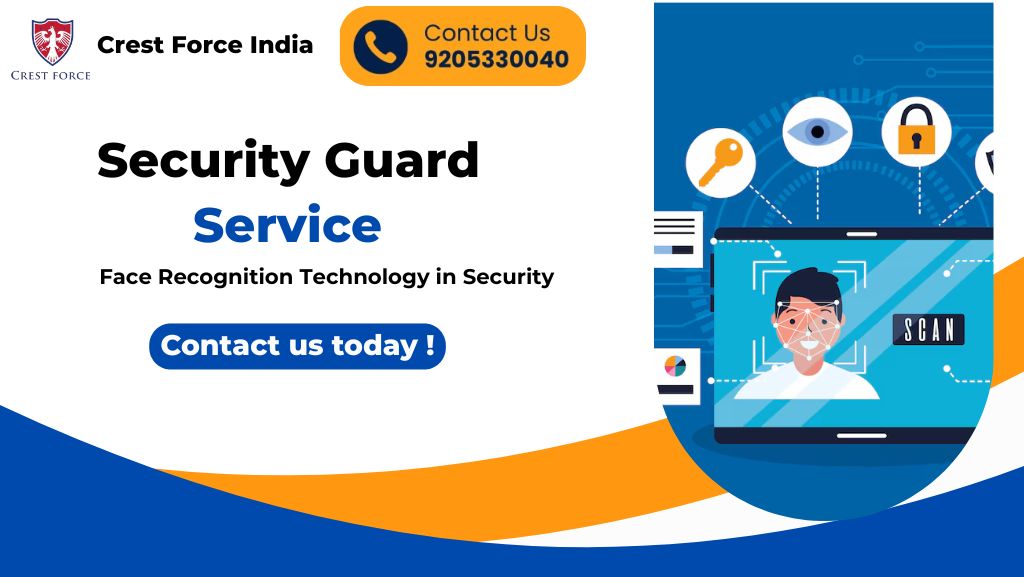
The principle behind face recognition is the use of sophisticated algorithmic techniques to identify and analyse unique facial characteristics and match them with those found in the database.
In a typical face recognition system, an image taken by a camera is turned into biometric data within seconds and compared with other images in the database. This process of identifying oneself is different from using traditional forms of identification such as passwords and cards that may be forgotten or lost.
This efficiency in verification has prompted many companies to think about adopting biometric systems for security purposes.
Also Read: Biometric Security Explained
Key Benefits of Facial Recognition in Security
Among the top reasons why businesses choose to invest in face recognition systems is better access management. Individuals with access rights can enter protected areas without the need for keys, swiping cards, or other forms of identification.
A huge benefit also comes from the immediate alerts when an unauthorised person enters the area. The system will alert the security personnel immediately.
The use of face recognition for identification also reduces the reliance on manual identification methods, which decreases the chance of errors.
Other important benefits include:
- Efficient verification
- Lower risk of identity theft
- Effective attendance and employee tracking
- Enhanced visitor management
- Hands-free access control
When considering the pros and cons of face recognition technology, efficiency becomes one of the top benefits.
Practical Use Cases Across Industries
Face recognition technology is becoming increasingly sought after in several industries. In airports, biometric gates are used to verify passengers, while banks utilize facial recognition technology to authenticate their clients.
In the healthcare industry, biometric access is used to safeguard patient data, and educational institutions utilize facial scanning for campus access control.
In the same vein, factories are finding novel uses for face recognition technology. These include worker attendance, monitoring shift changes, and gaining access to restricted areas.
In retail outlets, face recognition technology is being used to track repeat buyers, curb theft, and foster customer engagement.
With advancements in technology, more applications of face recognition will continue to emerge.
Role in Corporate and Industrial Security
Today, corporate security has grown increasingly complicated, particularly in areas that handle classified information and costly hardware. Conventional means of identifying individuals have proven to be vulnerable to exploitation.
It is at such junctures that face recognition security proves to be invaluable. Security personnel can immediately validate identities while keeping records of all entries for audit purposes.
In addition, face recognition identification technology enables companies to track the movements of their employees from one department to another, whether it be server rooms, manufacturing floors, or private meeting chambers.
Challenges That Organisations Must Consider
Though it comes with numerous benefits, biometrics technology does have several drawbacks. Poor lighting, improper camera positioning, wearing face coverings, and database quality may affect the system’s performance.
In addition to face recognition advantages and disadvantages, businesses need to consider other problems related to their use of these systems, including the risk of false positives and negatives and software calibration needs.
One more problem relates to storing biometric data. This kind of data is extremely sensitive, and inadequate protection may lead to cybersecurity problems.
Furthermore, maintenance, software updates, and integration costs are significant concerns.
Privacy, Ethics, and Compliance Concerns
Privacy continues to be among the most significant issues related to face recognition security systems. Individuals always seek assurance on how their biometric information will be collected, stored, and shared.
When there are no clear guidelines, companies might encounter opposition from their workforce, clients, or patrons.
An effective biometric system must have:
- Consent policies
- Encrypted storage
- Data storage time limits
- Compliance review
- Access tracking
Security professionals need to strike a balance between efficiency and ethics.
Also Read: Office Safety and Security
Integration with Existing Security Infrastructure
An effective contemporary biometrics system should be integrated with surveillance cameras, access control applications, alarm systems, and other aspects of security protocols.
An efficient facial recognition security system may be an additional component to CCTV surveillance technology and an intrusion detection system.
In addition, an effective face recognition identification system could help during evacuation procedures, enabling instant identification of authorised individuals in emergency situations.
Such integration will result in a more sophisticated security environment.
How We at Crest Force India Approach Biometric Security
Security today is not about just hiring guards, installing gates and CCTV cameras but involves more than that, namely intelligence, adaptability, and intelligent planning.
Being one of the leading companies offering security services, we at Crest Force India provide advanced security solutions, including personal security bodyguard services tailored to individual and corporate safety needs.
Having conducted a thorough assessment of the infrastructure, compliance regulations, and staff movement at your facility, our experts will suggest appropriate biometric solutions.
In other words, Crest Force India always makes sure that any face recognition applications framework complements security personnel and surveillance measures.
Conclusion
The use of biometrics for facial recognition is revolutionising how businesses verify identities and control access while mitigating threats. The gains from increased efficiency to improved accountability are quite evident.
But the effective applications of face recognition call for an appreciation of its strengths and weaknesses. This is achievable through a thorough analysis of face recognition pros and cons.
In view of evolving security issues, biometric technologies will continue to define the future.
Our Popular Security Services: Apartment Security Guard | Female Security Guard | Event Security Guard | Office Security Guard | Bank Security Guard | Industrial Security Guard | Bouncer Guard Service
Areas We Serve: Best Security Guard Companies In Delhi | Security Guard Services Gurgaon | Best Security Company In Noida