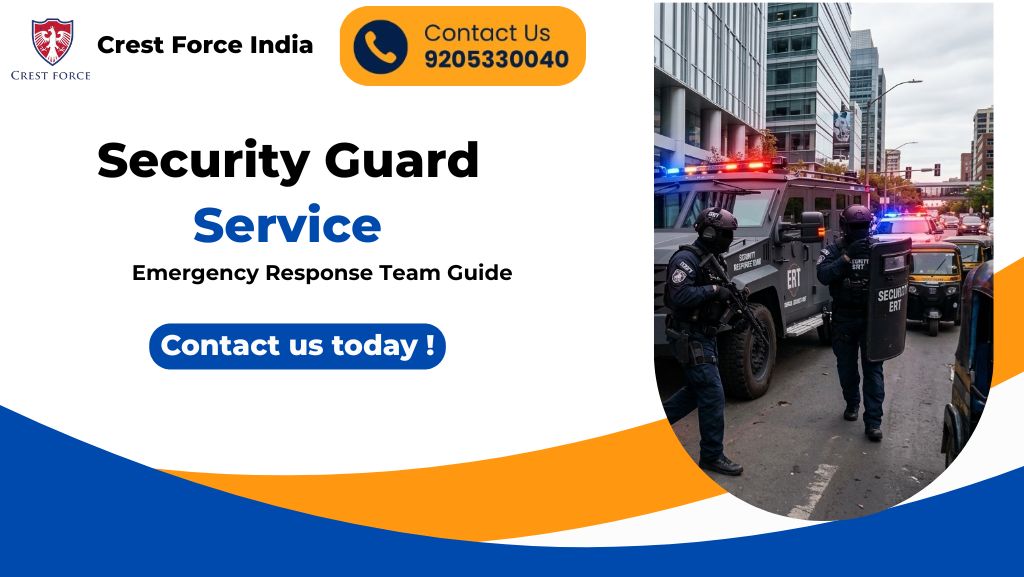
In the present day, where the risk environment is getting more and more unpredictable, organisations can no longer afford to just act ad hoc in times of crisis. From fire accidents, medical emergencies, security breaches, to natural calamities, the level of preparedness will always play a crucial role in the level of damage containment that can be achieved. This is where the role of an emergency response team will always prove to be invaluable, and understanding what is ERT and how it works is the first step to establishing a robust safety culture in any organisation.
Understanding the Concept of ERT in Safety Management
Before designing a response unit, it is essential to understand the meaning of the terminology. ERT full form is Emergency Response Team. It is a group of individuals who are trained to deal with emergency situations efficiently. In the context of safety, ert is a concept focused on avoiding panic, ensuring compliance, and preventing emergencies.
From an operational point of view, the ERT meaning in safety transcends mere reaction to emergencies. It encompasses elements of preparedness, responsibility, and leadership. It is vital for an ert team to be granted power, roles, and communication channels to ensure prompt decision-making.
Why Every Organisation Needs an Emergency Response Team
Emergencies never give any prior notice. Be it an accident at work or an outside threat, the presence of an emergency response team guarantees that there will be no confusion during an emergency. Organisations that have structured emergency response systems in place experience minimal damage in terms of lives and assets, and maximum confidence among their employees.
Knowing what ERT stands for will enable management to understand that it is not just a requirement but a necessity. A well-composed ert team will also be able to act in a preventive manner.
Also Read: What Does A Security Supervisor Do: Duties & Responsibilities?
Core Structure of an ERT Team
In developing an effective response unit, individuals must be chosen on the basis of competency rather than status. The core of any emergency response system is defined by theri ERT roles and responsibilities, which ensure that there is no duplication of effort during emergency situations.
Each response unit is comprised of a team leader, communication coordinator, first aid responder, evacuation marshal, and security liaison. All these individuals working collectively represent an effective response force that is capable of addressing multiple emergency situations without external support during the initial response.
Key Roles and Responsibilities Within an ERT
Clearly defining the ert team roles and responsibilities is essential to the success of operations. The team leader assesses the situation and coordinates with agencies outside. First responders offer immediate medical assistance. Evacuation marshals oversee the movement to safe zones, while communication officers communicate accurate information to stakeholders.
Knowledge of the ert member full form, which stands for Emergency Response Team Member, emphasises individual responsibility. Every ERT member has been trained to respond to emergency situations, ensuring that every action taken is safe and in compliance with safety procedures.
Selecting the Right ERT Members
The choice of the right personnel is just as important as defining the roles. One of the questions that organisations often ask is, how do you select an ERT member for the role of responding to emergencies? This is important because the process should involve the assessment of the physical, mental, decision-making, and training potential of the employees.
The best way to answer the question of how do you identify an ERT member is to note that the best ERT members in an organisation are those who remain calm, follow the rules, and instil confidence in the employees.
Training and Skill Development for ERT Teams
Training is where intent is turned into capability. Mock drills, first aid training, fire safety training, and simulations are crucial for the process. These training sessions help reinforce the ERT meaning in the context of safety, not just a one-time setup.
Additionally, the ERT team is able to respond to new risks such as new infrastructure, increased workforce, and new regulations through regular assessments, making the training an ongoing process.
Integration of ERT with Organisational Security Systems
It should also be noted that an Emergency Response Team does not function in isolation; it should be integrated with access control systems, surveillance systems, as well as emergency response teams from outside sources. Understanding ERT full form in safety helps to integrate internal mechanisms for handling emergencies with overall security standards.
A well-integrated emergency response team also helps in business continuity planning, which is necessary to ensure that business operations resume after an emergency situation. Reputational risk and downtime are greatly decreased by this alignment.
Also Read: Top Reasons When You Should Consider Private Bodyguard Services
Crest Force India’s Approach to Emergency Preparedness
As Crest Force India, we believe security is not just about responding but being forward-thinking. In our years of experience in security and risk management, we have observed that organisations with clear response mechanisms are better equipped to deal with crises with greater control. We help our clients achieve this discipline by identifying ERT members, defining their roles, and conducting structured, site-specific drills.
For organisations looking to hire security guards and personal security guards, our services ensure that personnel are trained and prepared to implement effective response mechanisms that actually work. Our expertise combines professional security know-how with practical operational experience, giving clients confidence in both preventive and responsive measures.
Conclusion: Building a Reliable Emergency Response Framework
A good emergency response system is developed around planning, people, and practice. Knowing the ERT full form and applying it with clearly defined structures will ensure that emergencies are responded to with confidence and order, rather than chaos.
Building a competent ERT team will not only ensure safety and security but will also instill confidence among employees and other stakeholders. Preparedness is still the best way to ensure security in an increasingly chaotic world.
Our Popular Security Services: Apartment Security Guard | Female Security Guard | Event Security Guard | Office Security Guard | Bank Security Guard | Industrial Security Guard | Bouncer Guard Service
Areas We Serve: Best Security Guard Companies In Delhi | Security Guard Services Gurgaon | Best Security Company In Noida